

Goats Log
Creamy, tangy, and wonderfully versatile!
Our Goat’s Log is available in two fantastic formats to suit your needs. Our chilled goat’s log features a rind that can be white and fluffy – and don’t worry, the white mould on its exterior is perfectly safe to enjoy and really adds to the flavour and texture!
Alternatively, our IQF slices are rindless, offering a super smooth and creamy experience. Both options are vegetarian and made with pasteurised milk. They boast a creamy texture and an earthy flavour, making them incredibly versatile for both hot and cold dishes
Available in:
Chilled & Frozen



Jump to:
Taste & Texture
Smooth and tangy with a delightful flavour!
The fresh chilled log offers a creamy flavour, but with a crumbly texture, getting smoother as it ages. It offers a tangy flavour with earthy notes and a hint of citrus. As this cheese ages, its interior softens, and the flavours become more intense.
Our IQF slices, on the other hand, have a bright white, smooth, and supple interior. They’re known for their mild, tangy flavour and a velvety smooth and spreadable texture.
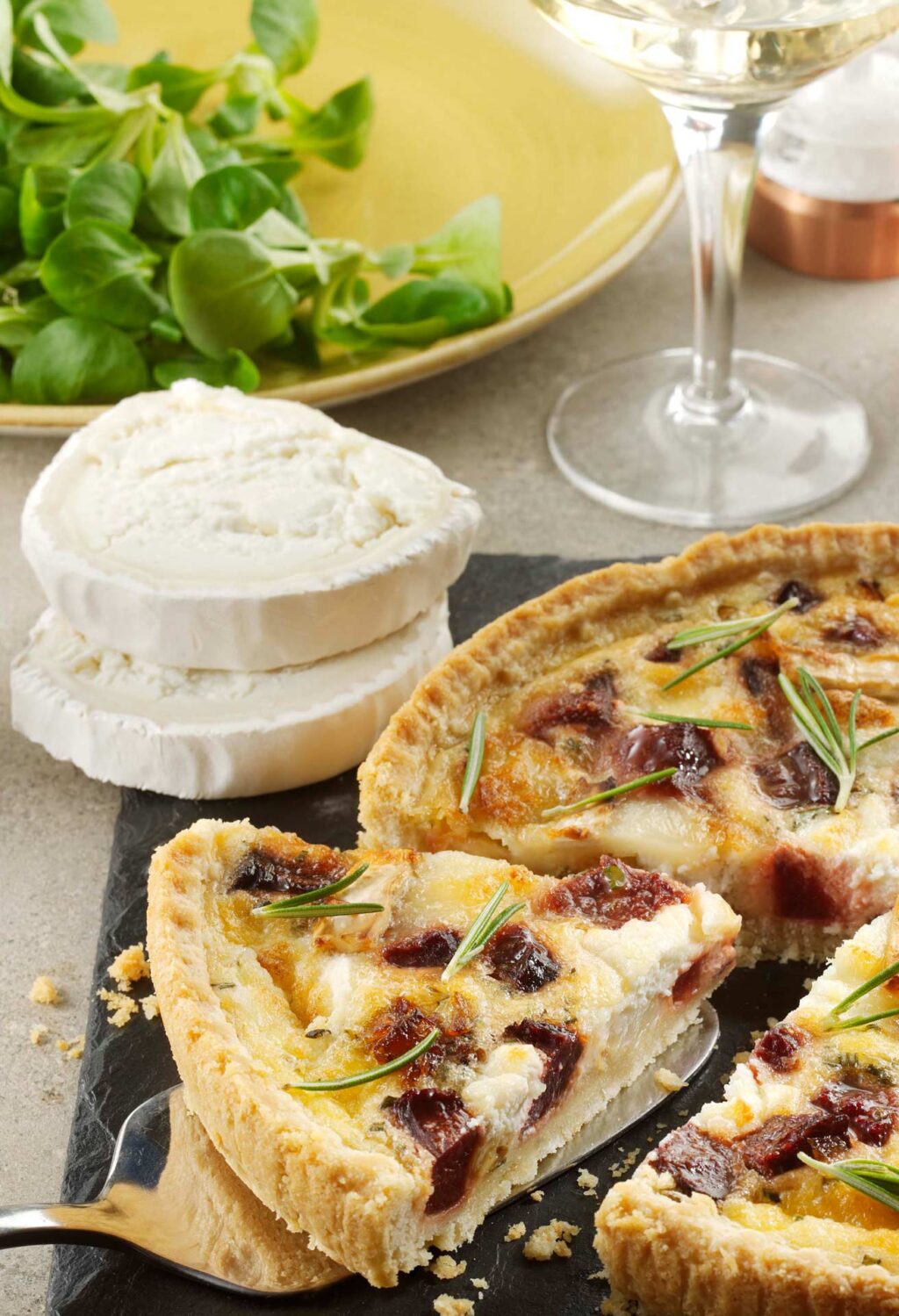
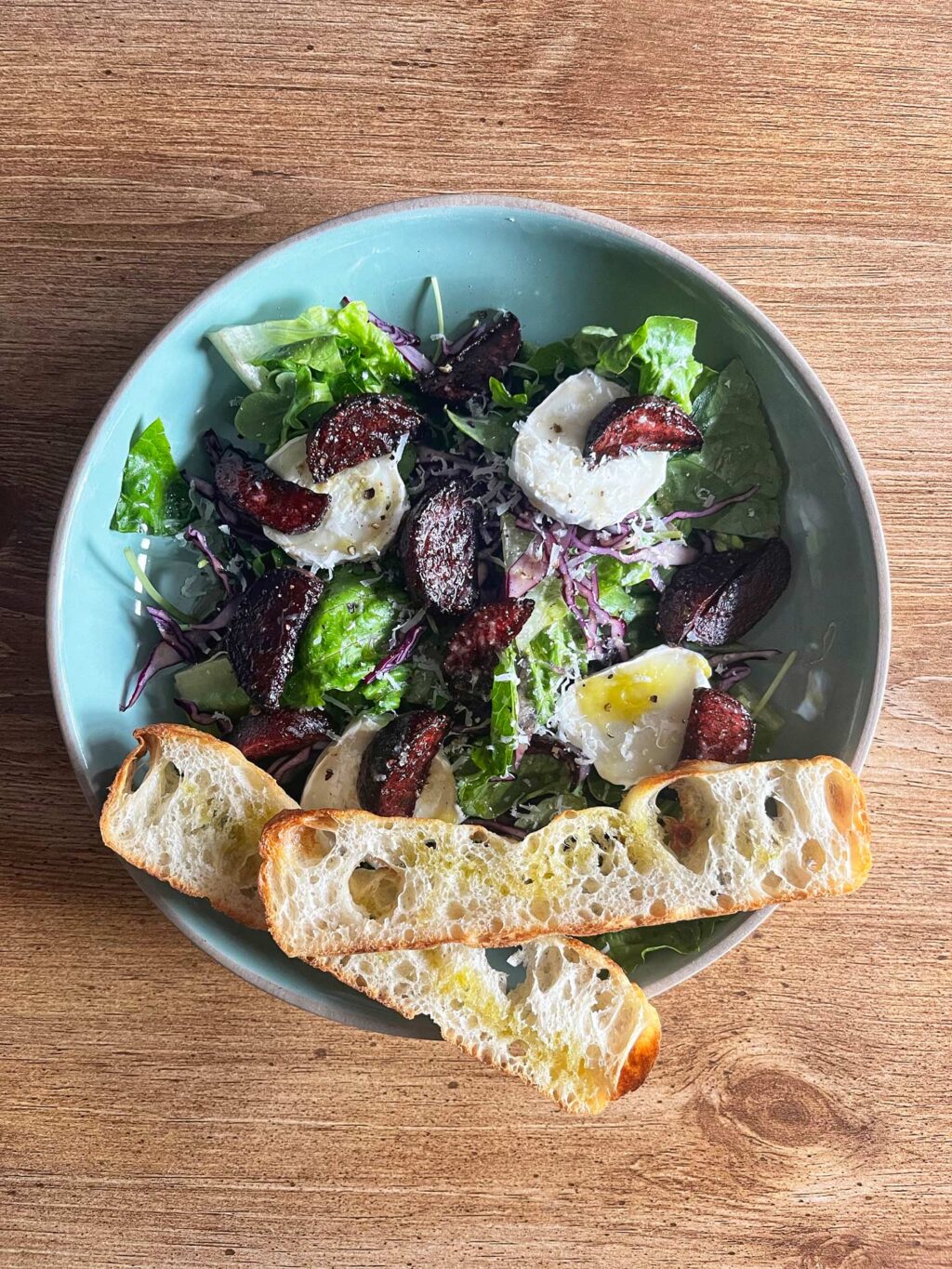
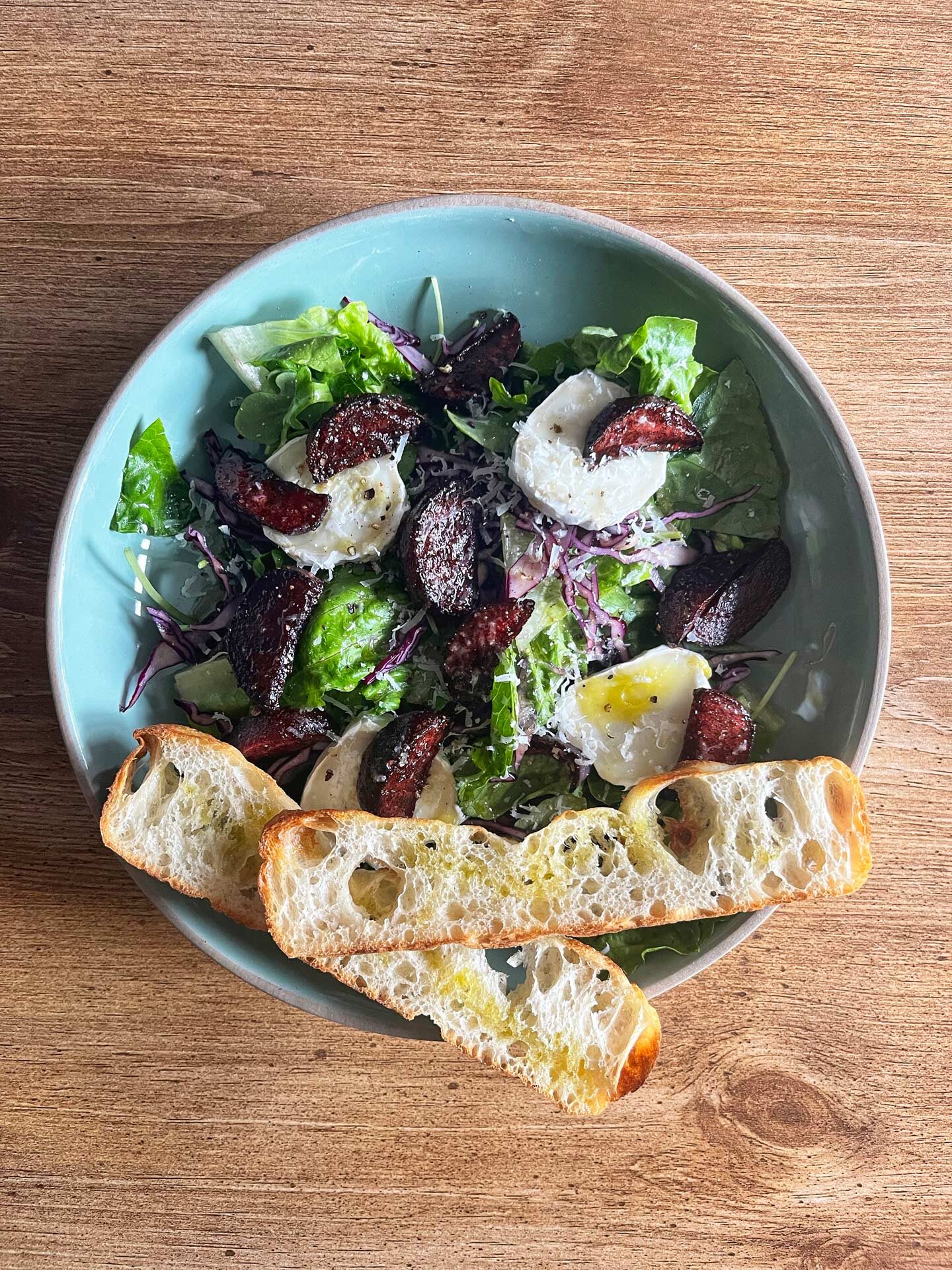
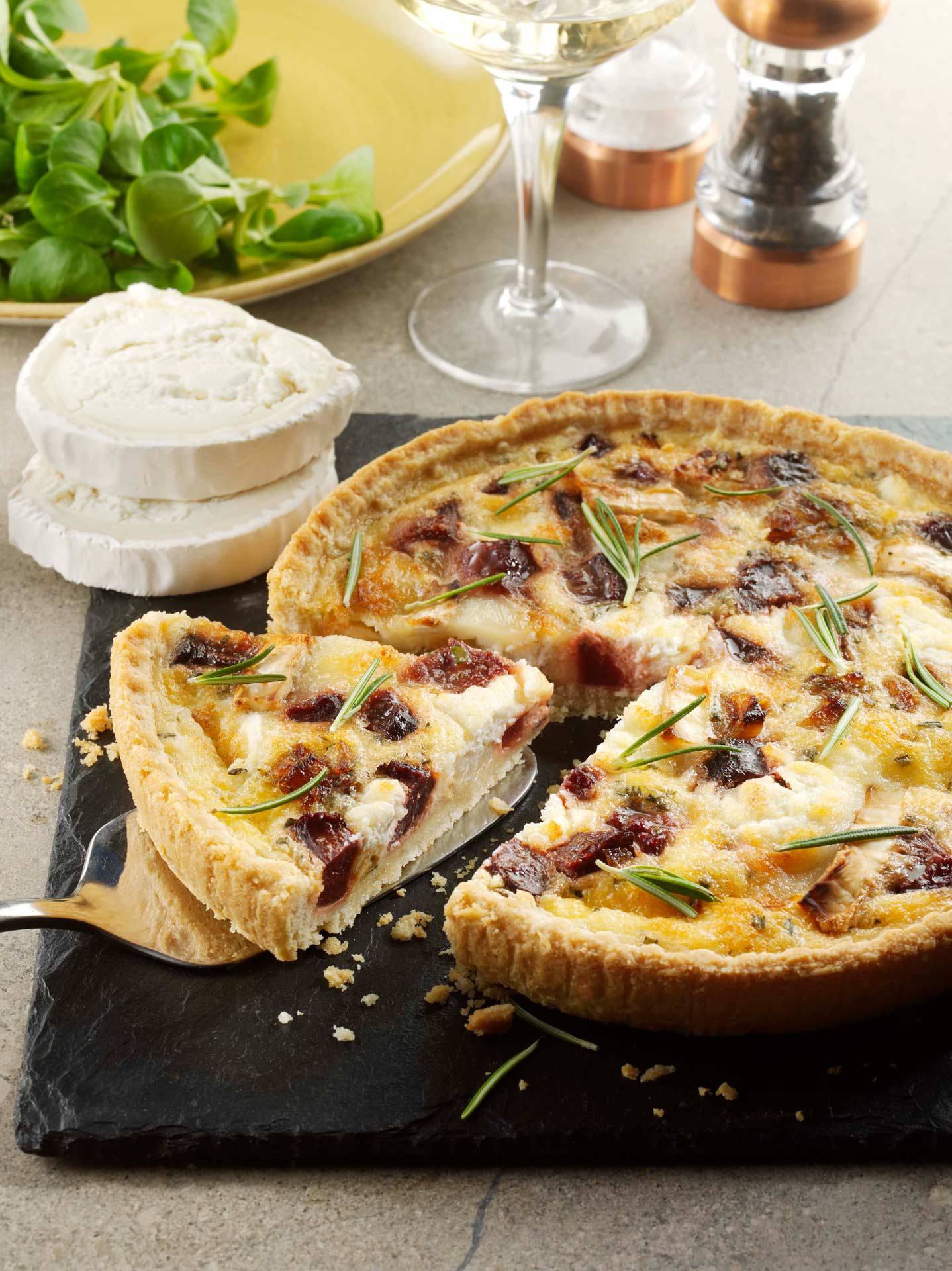
Both are fantastic for hot and cold uses! They’re popular on cheeseboards with either sweet or savoury additions, wonderful in salads (crumbled or sliced), great in hot dishes like tarts or quiches, and can even be added to pasta dishes.

How it’s made
Our Goat’s Log is made by shaping soft goat’s cheese into a log before being matured.
It’s crafted from pasteurised goat’s milk and is always vegetarian. We offer it in the convenient log format or as small, easy-to-use slices.
Nutritional Values
Suitable for Vegetarians.
Ingredients
Pasteurised goat milk, salt, starters, microbial rennet and penicillium
Allergens
Milk and Dairy Products Including Lactose
Storage
Keep Refrigerated. Once opened use within 5 days and by date shown.
Nutritional values shown are for a typical Goats Log, please contact us for full product specifications.
Typical Values
per 100g (as sold)
Did you know…?
Goat cheese is one of the oldest types of cheese, with evidence of production dating back to 5,000 BC
Related Products
Manchego
